


Teething Baby? 7 Simple Tips to Help Soothe Sore Gums
Little teeth, big feelings! From soothing sore gums to managing all that extra drool, discover seven simple baby teething tips to help make those uncomfortable days a little easier.
Teething is one of those exciting baby milestones, but it can also bring a few unsettled days, tender gums and lots (and lots!) of dribble.
For some babies, those first little teeth appear without much fuss. For others, teething can mean extra chewing, restless moments and a little more need for cuddles.
The good news? There are some simple ways to help your little one feel more comfortable.
We've put together 7 gentle baby teething tips, including a few tried-and-tested favourites, to help you navigate this stage.
What Helps Soothe a Teething Baby?
Some of the simplest ways to soothe a teething baby include offering a fridge-chilled silicone teether, gently massaging sore gums with a clean finger, providing a cool, damp washcloth and giving plenty of extra cuddles.
Keeping your baby's chin dry with a soft, absorbent bib can also help prevent irritation caused by excess drooling.
Here are seven practical tips to try.
1. Offer a Cool Teething Toy to Soothe Sore Gums
Sometimes a little coolness is all those tender gums need.
A teething toy that's been chilled in the fridge can provide gentle, temporary relief as your baby chews.
Look for teethers made from baby-safe materials, such as food-grade silicone, that are easy for little hands to grip.
Little tip: Pop a suitable teether in the fridge before you need it, so it's ready when those gums start bothering your baby.
Avoid freezing teethers, as they can become too hard for delicate gums. Always check that teething toys are age-appropriate, in good condition and used under supervision.
2. How to Prevent and Soothe Baby Dribble Rash
If there's one thing that often comes with teething, it's drool. And lots of it!
All that extra dribbling can leave little chins, necks and outfits constantly damp, sometimes causing redness and irritation to delicate skin.
This is often called baby dribble rash, and it's particularly common around the chin, mouth and neck where moisture can collect.
Keeping the skin clean and dry can make a big difference.
Gently pat away excess dribble with a soft cloth rather than rubbing, and change damp bibs regularly.
A Handy Bib for Those Extra-Drooly Days
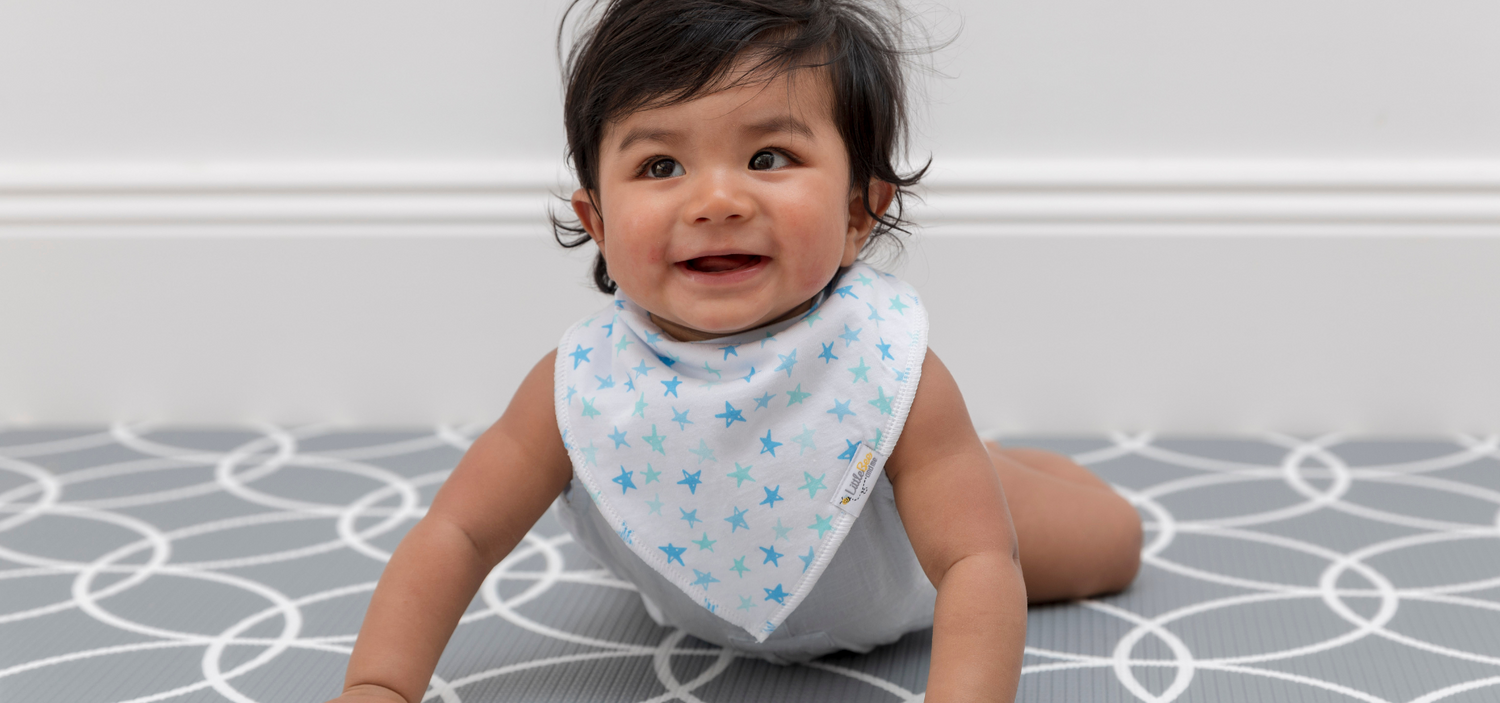
Our Little Bee & Me Bandana Teether Bibs are designed with those dribbly days in mind.
Featuring a soft organic cotton front, absorbent fleece backing and an attached silicone heart teether, they're a practical little addition to your baby's everyday essentials.
The bib helps absorb those dribbles while keeping a teether close by when your little one needs something to chew.
And let's be honest, fewer outfit changes are always a bonus!
Remember to remove bibs and attached teethers before sleep and always supervise your baby while wearing them.
A Little Tip From Our Own Experience: MooGoo Baby Nappy Change Cream
When my boys were little, one product I found particularly useful was MooGoo Baby Nappy Change Cream.
Despite its name, it's not just for little bottoms!
MooGoo also recommends its Nappy Change Cream for dribble rash, helping soothe and protect delicate skin from moisture-related irritation.
If your baby's chin or neck is becoming red and irritated from all that drooling, gently clean and pat the area dry before applying a thin layer of a suitable barrier cream, following the manufacturer's instructions.
Avoid applying creams inside or too close to your baby's mouth, and seek medical advice if the rash is persistent, worsening or appears infected.
It's one of those handy baby products worth knowing about!
Discover MooGoo Baby Nappy Change Cream
3. Try a Gentle Gum Massage
Sometimes the simplest solutions are the best.
Using a clean finger, gently rub your baby's gums with light pressure. The gentle massage may help ease some of the discomfort caused by emerging teeth.
Make sure your hands are freshly washed, and follow your baby's cues. If they seem uncomfortable or pull away, try something else.
It only takes a moment and can be a lovely way to provide a little extra comfort.
4. Try a Chilled Fruit Feeder for Teething Relief
If your baby has started solids, a silicone fresh food feeder can be another handy option for teething days.
One product worth knowing about is the b.box Silicone Fresh Food Feeder.
It's designed to allow little ones to explore flavours and textures through a soft silicone pouch, while giving them something gentle to chew.
For example, you could try adding some chilled, soft stewed apple or ripe pear, prepared appropriately for your baby's age and feeding stage.
The cool sensation may help soothe tender gums while introducing your little one to different tastes.
A few things to remember:
-
Only offer food once your baby is developmentally ready for solids, generally around six months.
-
Choose soft, age-appropriate foods and avoid hard raw apple pieces, which can pose a choking risk.
-
Always supervise your baby while eating or using a food feeder.
-
Follow the manufacturer's instructions for safe preparation and cleaning.
Little tip: The b.box Silicone Fresh Food Feeder is fridge-safe, but the manufacturer advises against storing it in the freezer. Stick to chilled rather than frozen food for a gentle, cooling experience.
Discover the b.box Silicone Fresh Food Feeder
5. Offer a Cool, Damp Washcloth
You don't always need a special teething product to provide a little comfort.
A clean, damp washcloth that's been cooled in the fridge can give your baby something soft and soothing to chew on.
Simply wet a clean baby washcloth with water, wring out the excess and pop it in the fridge until cool.
Offer it to your baby while they're awake and closely supervised.
It's an easy little trick using something you probably already have at home.
6. Extra Cuddles and Distractions Can Help
Some teething days simply call for a few more cuddles.
If your baby seems unsettled, try a change of scenery, a favourite book, some gentle playtime or a quiet cuddle together.
A little distraction can sometimes help take their mind off uncomfortable gums.
If teething discomfort is making bedtime more difficult, try keeping your baby's usual bedtime routine calm and familiar. A gentle gum massage or chilled teether before bed may help them settle.
Always remove teethers, bibs and washcloths before sleep.
And remember, every baby experiences teething differently. What works beautifully one day might not work quite as well the next.
It's all about finding those small things that help your little one feel comfortable.
7. Know the First Signs and Symptoms of Baby Teething
Wondering whether those unsettled moments are actually caused by teething?
Most babies begin getting their first teeth at around six months, although every baby develops at their own pace.
Some common signs of baby teething include:
-
Increased drooling or dribbling
-
Chewing on fingers, toys or bibs
-
Tender, red or slightly swollen gums
-
Mild irritability or unsettled behaviour
-
Wanting to bite or gnaw on objects
-
Occasional changes to their usual sleep routine
It's important to remember that not every symptom is caused by teething.
A fever of 38°C or higher, diarrhoea, vomiting or a baby who seems generally unwell shouldn't simply be put down to teething.
If you're concerned about your baby's symptoms, speak with your GP or child and family health nurse.
A Little Extra Comfort for Teething Days 💛
Teething can be a challenging stage, but thankfully it doesn't last forever.
Whether it's a chilled teether, a gentle gum massage, a favourite cuddle or a trusty absorbent bib, sometimes the smallest things can make those uncomfortable days a little easier.
At Little Bee & Me, we know how messy those dribbly days can be. That's why we've created our range of soft, practical baby bibs to help keep little ones comfortable through everyday adventures.
Our Bandana Teether Bibs combine an absorbent bib with a handy silicone teether, making them a lovely everyday essential for teething babies.
Explore Our Teether Bib Collection
Here's to happy little smiles, dry outfits and those adorable first teeth!
With love, Little Bee & Me 💛
Frequently Asked Questions About Baby Teething
When do babies usually start teething?
Most babies begin getting their first teeth at around six months, although some start earlier or later. The timing varies from baby to baby, and it's perfectly normal for teeth to appear at different stages.
What are the first signs of teething in babies?
Common signs include increased drooling, chewing on fingers or toys, tender gums and mild irritability. Some babies show very few signs before their first tooth appears.
How can I soothe my teething baby naturally?
Try a fridge-chilled silicone teether, a gentle gum massage with a clean finger, a cool damp washcloth or extra cuddles. These simple approaches may help provide temporary relief from sore gums.
How can I prevent dribble rash when my baby is teething?
Gently pat your baby's chin and neck dry throughout the day, change damp bibs regularly and avoid rubbing irritated skin. A soft, absorbent bandana bib can help catch excess dribble before it soaks into clothing.
A suitable barrier cream may also help protect skin from moisture-related irritation.
Can I use MooGoo Nappy Change Cream for baby dribble rash?
MooGoo recommends its Baby Nappy Change Cream for dribble rash as well as nappy rash. Follow the manufacturer's directions, avoid the mouth area and seek medical advice if irritation persists or worsens.
Are silicone teething bibs useful for babies who drool a lot?
A teething bib can be a practical option for babies who drool frequently.
Little Bee & Me Bandana Teether Bibs combine an absorbent bib with an attached silicone heart teether, helping manage dribble while providing something suitable to chew.
Always supervise your baby while using a teether bib and remove it before sleep.
Can I give my baby chilled fruit for teething?
If your baby has started solids, suitable chilled, soft fruit can be offered in an age-appropriate way. A silicone food feeder may be a convenient option, but always follow the manufacturer's instructions and supervise your baby while eating.
Can teething cause a fever or diarrhoea?
Teething may be accompanied by minor changes in comfort or behaviour, but a true fever of 38°C or higher or diarrhoea shouldn't be assumed to be caused by teething.
If your baby has a fever, diarrhoea or seems unwell, seek medical advice. A baby under three months with a temperature of 38°C or higher needs immediate medical assessment.
What can help a teething baby sleep?
Keeping a familiar bedtime routine, offering extra comfort and trying a gentle gum massage or chilled teether before bed may help. Always follow safe sleep recommendations and never leave teethers, bibs or loose washcloths in your baby's sleeping space.
Helpful Australian Parenting Resources
For further information about teething and caring for your baby's first teeth:
Please note: This article provides general parenting information and is not a substitute for professional medical advice. Always follow age recommendations and safety instructions for baby products, and consult a healthcare professional if you have concerns about your baby's health.